

mainstreetlawn
What to Plant Under Trees Where Grass Won’t Grow?
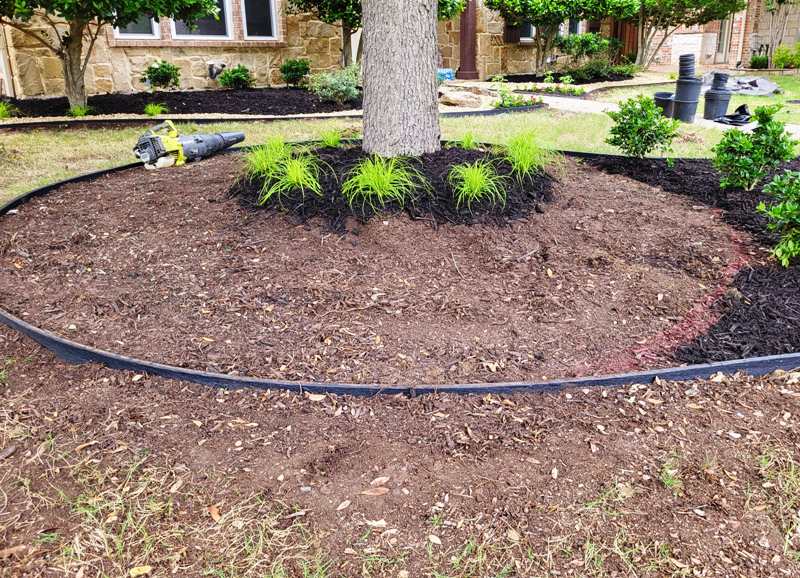
Trees are an essential part of our landscape. They enhance our properties by adding beauty and bring a host of practical benefits to us as well. Trees clean our air, stabilize our soil, and offer shade to our homes. In fact, trees are so important that most all planned subdivisions these days require at least two mature trees be planted in the front yard of each home. While trees deliver many important things, as they mature, their canopy spreads, limiting sunlight from reaching anything below. As the tree grows, any grass or plant requiring sunlight underneath will soon die, and the soil underneath will begin to erode. To manage the area under trees, many people want to know what to plant under trees where grass won’t grow. Here are five different plant types that you can install under trees where grass won’t grow: 1) groundcover plants 2) shrubs 3) perennial plants 4) ornamental grass 5) flowering annuals. Each of the plant types can cover broad areas and is conducive to growing under a tree.

Groundcover Plants
Groundcover plants are a fantastic alternative to installing sod. They provide dense coverage over a small to large area. You will find a wide variety of groundcover plant options, including ones that spread naturally and some that flower. For planting under tree canopies, we recommend looking for groundcover plants that will survive in the shade and are evergreen, meaning they don’t lose any leaves during the winter season.
Ajuga:
A shade-loving groundcover that flowers in the spring. Ajuga stays small, with a mature growth habit of 6 inches height/width.
Mondo Grass:
An excellent shady alternative to sod, as it resembles blades of grass. Depending on the variety, it will grow 3 to 8 inches tall.
Lamium:
A low-upkeep groundcover that produces flowers in spring and can reach 18 inches wide and 8 inches tall.
Shrubs
If the area beneath your tree is large, you might consider installing some larger plants. Shrubs are considered the backbone of landscape planting, as they are typically larger than flowers and are visible throughout all four seasons. When planting under a shade tree, we suggest selecting shrubs that are evergreen and suitable for shade with some sun. Finally, it’s a good idea to select shrubs with modest growth so as not to interfere with the trees’ root system.
Nandina:
An evergreen shrub with dynamic and colorful foliage. Most all varieties mature to no more than 3 feet in height. Nandinas grow happily with some shade but are also content in the sun.
Dwarf Holly:
The Holly is an excellent shrub for shade or sun. Select from several varieties that reach a maximum height and width of 3 ft: Carissa, Dwarf Chinese, and Dwarf Yaupon.

Perennial Plants
This is a large category of plants that live more than a few years but cycle through a period of dormancy each year before returning the following year. This is where you will find the largest selection of shade-tolerant plant options, even ones that flower. Perennial plants would work best in defined bed spaces under a tree rather than large expanses of your lawn. Perennials will be dormant for a few months each year, so they won’t be green or blooming.
Hosta:
A bold foliage plant that thrives in shady spots. With well over a thousand varieties, Hostas can be found with various foliage patterns and bloom types. The majority of Hostas are between 1 and 2 feet in height and width. Hosta will go dormant with the first freeze of the season and reemerge in early spring.
Fern:
A suitable for areas under trees that remain heavily shaded. Ferns bring a fantastic woodland feel to any landscape. While some varieties grow much taller, most ferns stay between 1.5 and 2 ft in height and width. Make sure to select a variety of fern that is suitable for your planting zone, and then you can expect it to go dormant with the first freeze and return in the spring.
Hellebore:
An exciting perennial plant that thrives in the shade and flowers during the winter. While most plants are dormant, Hellebore comes alive each winter season, producing exotic blooms. The only time Hellebore will appear to go through dormancy is occasionally during the summer months if the heat gets to be too much. Otherwise, you can enjoy Hellebore all the time under the protection of your trees as they mature to around 1.5 feet tall/wide.
Ornamental Grasses
Ornamental grasses are a unique category of plants that can bring texture, height, and movement to your landscape. Due to the growth habit of these plants, you won’t need many to fill the space. While most ornamental grasses prefer sunlight, there are a few that can survive in the shade under a tree.
Muhly Grass:
A fairly compact, spiky blade grass that matures to around 2.5 feet in height. Muhly grass blooms during the fall months with either a white or pink billowy plume similar to cotton candy. Muhly will go dormant with the first freeze and should be trimmed back in early spring before the new growth appears. While Muhly will tolerate shade, it will bloom more heavily with some sunlight.
Liriope:
Liriope is an evergreen, grassy plant that thrives in the shade. Liriope can be found in both variegated and green leaf patterns, and different varieties offer growth between 1 and 3 feet in height. Liriope also flowers purple in the spring and summer months.

Flowering Annuals
Annuals are the plants we use when looking for bloom and color. You can find both warm- and cool-season annuals, so there can be blooms under your tree throughout the year. While there are plenty of shade-loving options, annuals will only last a few months and then need to be replaced.
Begonia:
Known for their shade tolerance and large glossy leaves, Begonia bloom in a variety of colors from early spring all the way into fall. Begonia stays compact in habit, reaching a maximum height of about 1-1.5 feet.
Impatiens:
Blooming in a variety of colors, Impatiens will grow happily under a shade tree, flowering from early spring well into the summer months. Summer heat will stop Impatiens from blooming, but they will start again in the fall before dying back in the fall.
Cyclamen:
One of the few annuals to bloom in the winter, Cyclamen comes in a variety of colors and stays compact at a height of no more than 1 foot tall. Cyclamen is happiest with shade and a bit of sunlight. While it blooms in the winter, it should be protected when temperatures drop lower than 28 degrees.
As you look over the bare spots under your shade tree, don’t be discouraged if grass won’t grow there. Bare soil is not your only option. You can enhance this area using the right plants. This way, you can continue to enjoy all the benefits a tree brings to your landscape while improving the look of your whole yard.
Share this post
© 2026 · Main Street Lawn Care and Landscaping, LLC